
 by
by 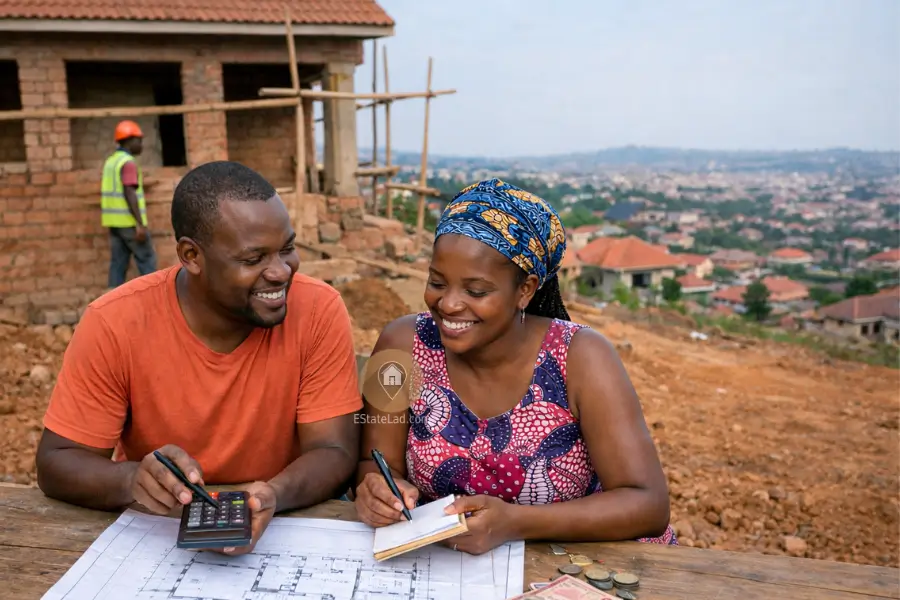
Building your dream home in Uganda is an exciting milestone. However, establishing a realistic Budget for Building a House in Uganda is the most critical first step to ensure your journey doesn’t turn into a financial nightmare. From land purchase to construction materials and finishing touches, costs can spiral if you don’t plan well.
In this guide, we break down the real costs of building a house in Uganda for 2026, financing options, and smart budgeting strategies — so you can build confidently without draining your pockets.
1. Understand the Average Cost of Building a House in Uganda
On average, building a standard 3-bedroom bungalow in Uganda costs between UGX 120M – 250M, depending on location, land size, design, and material choices.
Low-cost house (upcountry, basic finishes): UGX 80M – 120M
Mid-range house (Kampala suburbs, moderate finishes): UGX 150M – 250M
Luxury house (upmarket areas, premium finishes): UGX 300M+
📌 Tip: Always request a Bill of Quantities (BOQ) from your engineer or contractor before starting. This is the official breakdown of materials and costs, your budgeting Bible.
2. Budget for Land Before Construction
In Uganda, land costs often take up the biggest chunk of your budget.
Kampala suburbs (Bunga, Muyenga, Lubowa): UGX 250M – 1B per plot
Outskirts (Wakiso, Matugga, Mukono): UGX 50M – 300M per acre
Upcountry districts: UGX 10M – 50M per acre
👉 If you don’t own land yet, budget separately for:
Land price
Title transfer fees
Survey and boundary opening costs
Stamp duty and legal fees
3. Secure Financing Options for Construction
Not everyone can build from savings alone. In Uganda, these are the most common financing sources:
Mortgage loans: Offered by banks like Housing Finance Bank, Stanbic, Centenary, dfcu.
Construction loans: Released in phases as your project progresses.
SACCOs & Microfinance loans: Ideal for salaried and business people in communities.
Personal savings + staged building: Many Ugandans build slowly, room by room, as money comes in.
📌 Pro Tip: Always calculate the interest cost of a loan before committing. For example, a UGX 200M mortgage at 18% interest can end up costing UGX 350M+ over 15 years.
4. Factor in Professional Fees
A hidden cost many first-time builders forget is professional fees:
Architect: 3–6% of project cost
Engineer: 3–5%
Quantity Surveyor: 2–4%
Lawyer (for land/legal documents): UGX 1M – 5M+
Skipping professionals may save money upfront, but it often leads to mistakes, disputes, or poor-quality buildings.
5. Break Down Construction Phases and Costs
Budgeting becomes easier when you split construction into stages:
Site Preparation & Foundation (UGX 10M – 30M)
Walling / Superstructure (UGX 30M – 80M)
Roofing (UGX 20M – 50M)
Doors & Windows (UGX 10M – 25M)
Finishing (plastering, tiling, painting, ceiling) (UGX 20M – 70M)
Utilities (electricity, water, septic tank, plumbing) (UGX 10M – 30M)
📌 Many Ugandans build in phases, allowing them to spread costs across 1–5 years.
6. Don’t Forget the Hidden Costs
When budgeting, always include these often-overlooked expenses:
Site security during construction
Transport of materials
Workers’ meals & welfare
Government approvals (building permits, inspections)
Landscaping & fencing
7. Budgeting Tips to Save Money
Buy materials in bulk during the off-season when prices are lower.
Use local materials (bricks, stone, timber) instead of imported ones.
Compare at least 3 contractors before hiring.
Avoid frequent design changes once construction starts.
Set aside 10–15% contingency for unexpected expenses.
✅ Example Case: Building on a Budget
James, a teacher in Mukono, planned to build a 3-bedroom bungalow. His budget:
Land: UGX 30M (12 decimals)
Construction: UGX 120M
Professional & hidden costs: UGX 10M
👉 Total = UGX 160M
He built in 3 phases over 3 years, using a mix of salary savings and a SACCO loan. Today, James lives in his home debt-free.
Final Word
Budgeting is the backbone of a successful home project. By understanding costs, planning for land and hidden fees, and choosing the right financing method, you’ll avoid common pitfalls many Ugandan homeowners face.
Whether you’re building a modest bungalow in Mukono or a luxury villa in Muyenga, the golden rule is simple: plan your money before you spend it.
Disclaimer: Figures provided are estimates based on average 2026 market rates in the Kampala Metropolitan Area. For a precise quote, request a professional BOQ from the EstateLad engineering team.
Learn more about what you need before starting to build a house?
Frequently Asked Questions
Budget for Building a House in Uganda


Join The Discussion