 by
by 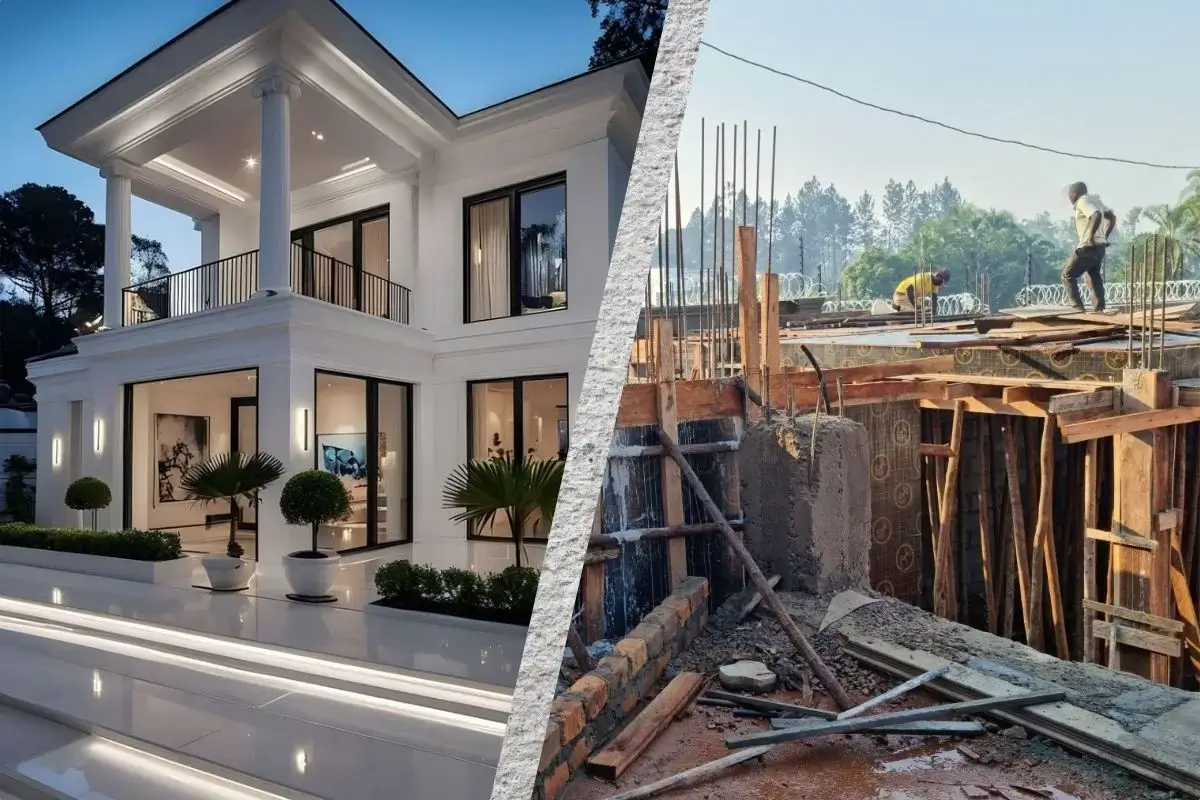
Uganda’s real estate market is rapidly growing, offering homebuyers and investors a range of options when it comes to acquiring property. One of the biggest decisions buyers face is whether to purchase a ready-to-move-in house or embark on building their dream home from the ground up. Both options Buying vs. Building a House in Uganda have their advantages and challenges, and the best choice depends on factors such as budget, time, customisation, and personal preferences. At EstateLad, we offer both ready-built homes and construction services, ensuring you make the right decision for your needs.
Making the Right Choice for You: Questions to Ponder as a Ugandan Homebuyer
As you weigh the options of buying a ready-to-move-in house versus building your own in Uganda, consider these questions:
- What are your immediate housing needs?
- Do you need to move in quickly, or can you afford to wait for the construction process to be completed?
- How important is it for you to have a home that is uniquely yours, down to the smallest detail?
- What is your budget, and are you comfortable with potential fluctuations in costs, or do you prefer the certainty of a fixed price?
- Do you have the time and energy to manage a construction project, or would you prefer a more hands-off approach?
- Where do you envision your future in Uganda?
- Is location your top priority, even if it means compromising on other aspects?
- How comfortable are you navigating the processes of securing land, permits, and reliable builders in Uganda?
- Finally, are you looking for a home primarily for personal use, or is rental income a significant consideration in your decision? Reflecting on these questions will help you align your choice with your individual circumstances and priorities.
In this guide, we compare both options to help you make an informed decision that aligns with your real estate aspirations in Uganda.
Buying a Ready-to-Move-In House, Uganda.
Advantages of buying a ready-to-move-in house
- Immediate Occupancy – One of the biggest advantages of buying a ready house is that you can move in immediately after purchase. This is ideal for those who want to avoid the long and sometimes frustrating construction process.
- Convenience & Less Hassle – With a ready-built house, you avoid dealing with architects, contractors, engineers, and suppliers, making the process straightforward and stress-free.
- Fixed Costs & No Surprises – Unlike construction, where costs may escalate due to price fluctuations, a finished home has a set price, allowing better financial planning.
- Easier to Secure Financing – Many banks and financial institutions offer mortgage financing for ready-built homes, making it easier to buy without needing large upfront cash investments.
- Established Amenities & Infrastructure – Most ready-built houses in Uganda are in planned communities with existing roads, electricity, water supply, and security.
- Immediate Income – Ready-to-move-in properties enable immediate occupation for personal use or prompt rental income generation.
Disadvantages of buying a ready-to-move-in house vs building your own.
- Limited Customisation – You may not get your dream layout, finishes, or design preferences, as the house is already completed.
- Higher Initial Investment – A significant upfront payment is typically required, as many Ugandan developers favour full payment at the time of purchase.
- Premium Pricing – While predictable, the cost of a completed home can sometimes be higher than building, as the developer includes their profit margin
- Compromises on Location – You might find a good house but not in your preferred location, forcing you to adjust your expectations.
Building Your Own House in Uganda
Advantages of building your own house vs buying a ready one.
- Full Customisation – You have complete control over design, layout, materials, and aesthetics, ensuring your home fits your specific needs and preferences.
- Cost Control & Flexibility – You can build in phases as funds become available, making it easier to manage finances.
- Choice of Location – You get to pick the best land in your preferred area, whether in urban Kampala or on the outskirts for a quieter lifestyle.
- Quality Assurance – Since you oversee construction, you can ensure high-quality materials and workmanship, avoiding shortcuts taken by some developers.
- Long-Term Investment Value – Land and property appreciate over time, and building your own house may yield better returns in the long run.
Disadvantages of building your own house vs buying a ready one.
- Time-Consuming Process – From acquiring land to securing permits, construction can take months or even years, delaying occupancy.
- Unpredictable Costs – Market fluctuations in material prices and labour costs can increase your budget unexpectedly.
- Project Management Stress – Coordinating contractors, suppliers, and ensuring quality control can be overwhelming, especially if you lack construction experience.
- Risk of Delays – Weather conditions, permit approvals, and unreliable contractors can slow down the project timeline.
To further aid in your decision-making process, consider the following comparison: Buying vs. Building a House in Uganda

Making the Right Choice: Which Option Suits You?
Honestly? There’s no trophy for picking “the best.” It’s about your life:
If you prioritise convenience, immediate occupancy, and financial predictability, buying a ready-built home is the best option. However, if you value customisation, long-term investment potential, and can manage construction challenges, building your own house is a great choice.
For those interested in ready-to-move-in houses, EstateLad offers high-quality, well-designed properties in prime locations. If you prefer building your dream home, we also provide architectural design, construction, project costing, and real estate advisory services to guide you through the process.
Final Thoughts
Both options have their advantages and disadvantages, but the key is to choose based on your personal needs, budget, and long-term goals. Consulting with real estate professionals can help make the process smoother and more rewarding.
Are you ready to invest in your dream home? Contact EstateLad today for expert guidance on real estate investment in Uganda.
Frequently Asked Questions
Is it cheaper to build or buy a house in Uganda in 2026?
Building allows for phased spending and customization, often yielding higher long-term value. Buying a ready-to-move-in house involves a premium for convenience but offers fixed costs and immediate occupancy.
How long does it take to build a house in Kampala?
Typically, constructing a residential home in Kampala takes 6 to 24 months depending on funding, size, permit approvals from respective authorities, and contractor reliability.
Building or buying a house in Uganda: Which is safer?
Generally, buying a finished home from a reputable developer is safer for those who want legal and structural certainty. Ready-to-move-in homes often have pre-verified titles and completed authority approvals. However, building is safer for those who want to guarantee the quality of materials (like the grade of steel and cement ratio) used in the foundation. To ensure safety when buying, always hire an independent structural engineer to inspect for hidden defects before signing.
Can I get a mortgage for construction in Uganda?
Most Ugandan banks prefer financing ready-built homes. However, construction loans are available if you have a clear land title and approved architectural plans. Learn more about mortgage options here.
What do most people do in Uganda: build or buy ready-to-move-in houses and why?
Historically, the majority of Ugandans build their own homes. This is largely due to the “pay-as-you-go” culture, where families build in phases as savings become available to avoid high-interest bank loans. However, in 2026, there is a massive shift toward buying among the middle class and the diaspora. People are increasingly choosing to buy in gated communities in areas like Kira and Lubowa because it offers immediate security, established infrastructure, and a faster path to homeownership without the stress of managing “fundis” (contractors).